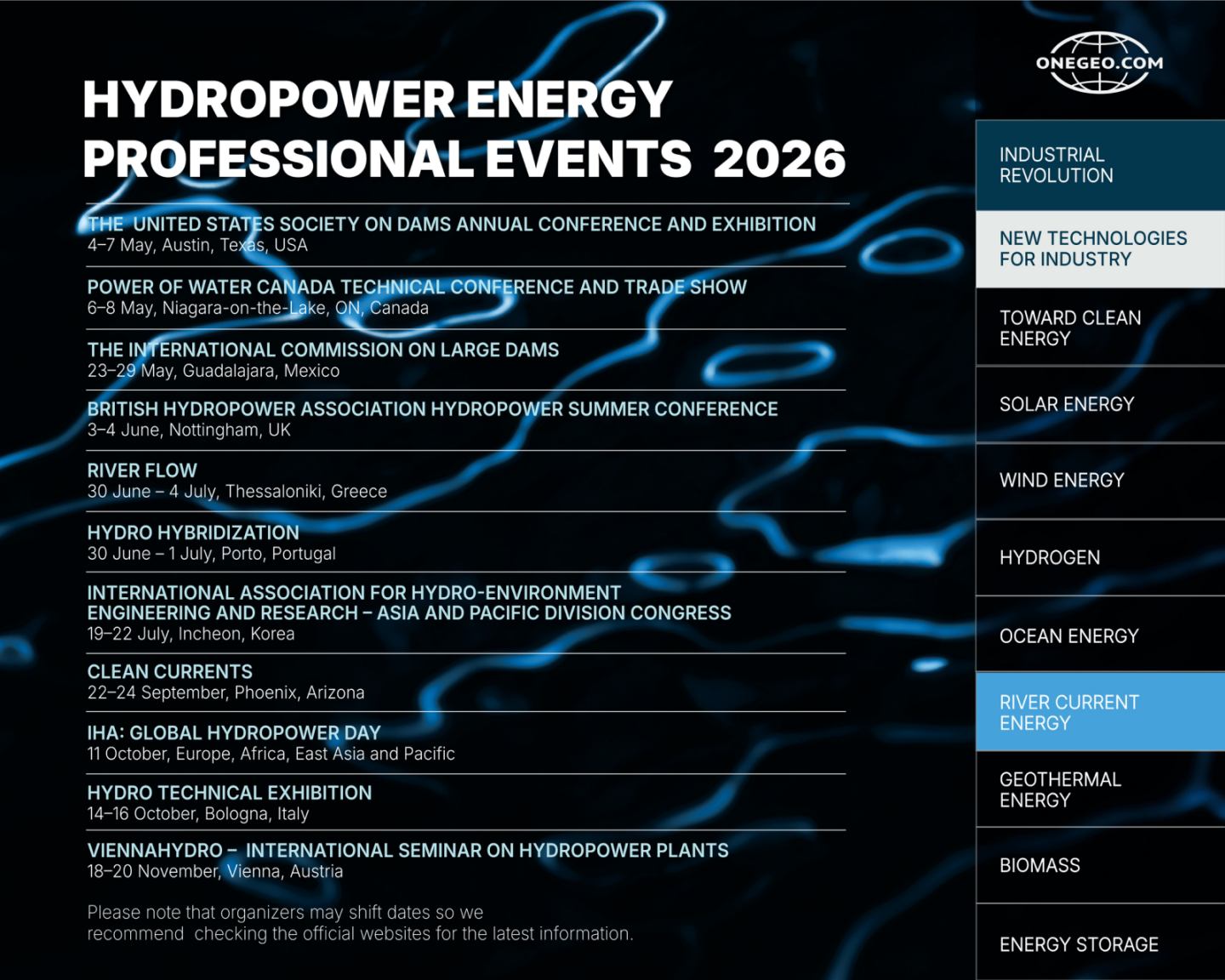
In the global transition toward sustainable and low-carbon energy systems, hydropower stands as one of the most established and dependable renewable energy sources, harnessing the kinetic energy of flowing water to generate electricity. Unlike intermittent renewables, it can provide consistent baseload power while also offering flexibility through reservoir storage and pumped-storage systems, making it a key element of stable and resilient energy grids.
Hydropower holds significant potential, accounting for the largest share of renewable electricity worldwide and playing a crucial role in balancing supply and demand. With many untapped river systems and opportunities for modernization of existing plants, it is expected to remain a major contributor to global energy production by 2050. Its development depends on factors such as water availability, river flow variability, topography, and dam infrastructure, while requiring substantial investment and long-term planning. At the same time, responsible management is essential to mitigate environmental and social impacts, including ecosystem disruption, changes in sediment flow, and displacement of local communities.
In the section “River current energy” on ONEGEO.COM Global Digital Platform, you can explore the potential of harnessing river currents and water resources to generate clean and reliable energy. This section highlights hydropower’s leading role as the world’s largest source of renewable electricity, its contribution to climate goals, and its broader benefits, including water supply for households, industry, and agriculture, as well as flood and drought regulation. It also examines key challenges such as environmental impacts, greenhouse gas emissions from reservoirs, infrastructure risks, and the need to modernize aging facilities, while covering major industry developments, global initiatives, and key stakeholders shaping the future of hydropower. Please note that organizers may shift dates of the announced professional events, so we recommend checking the official websites for the latest information.